Arles · Provence · 1888–1889

Van Gogh &
the Yellow
House

Four rented rooms at 2 Place Lamartine — studio, sanctuary, and the stage for the most brilliant and most catastrophic fifteen months of Vincent van Gogh's life.

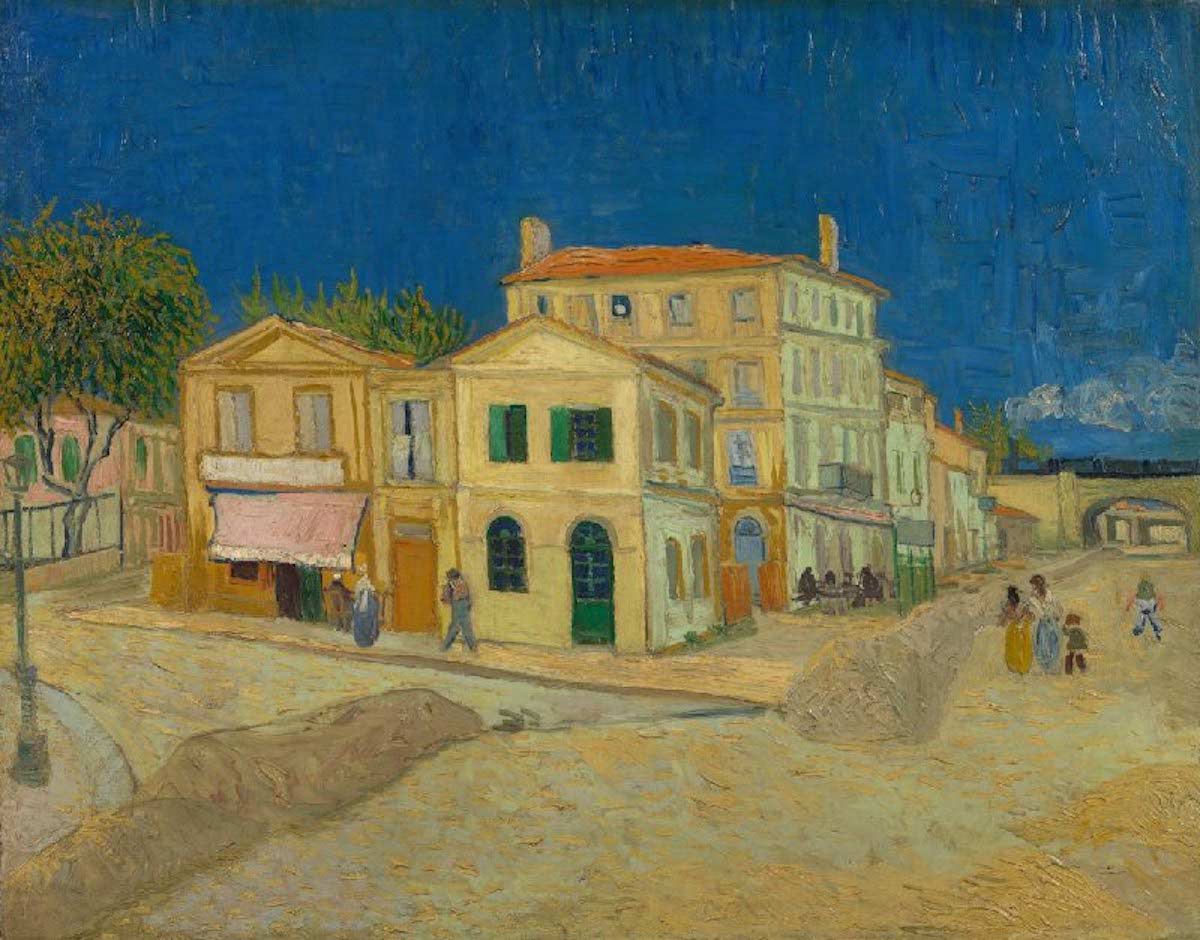
"I live in a little yellow house with green door and shutters… the house in the full sun — and a bright blue sky above it." — Vincent to his sister Willemien, June 1888
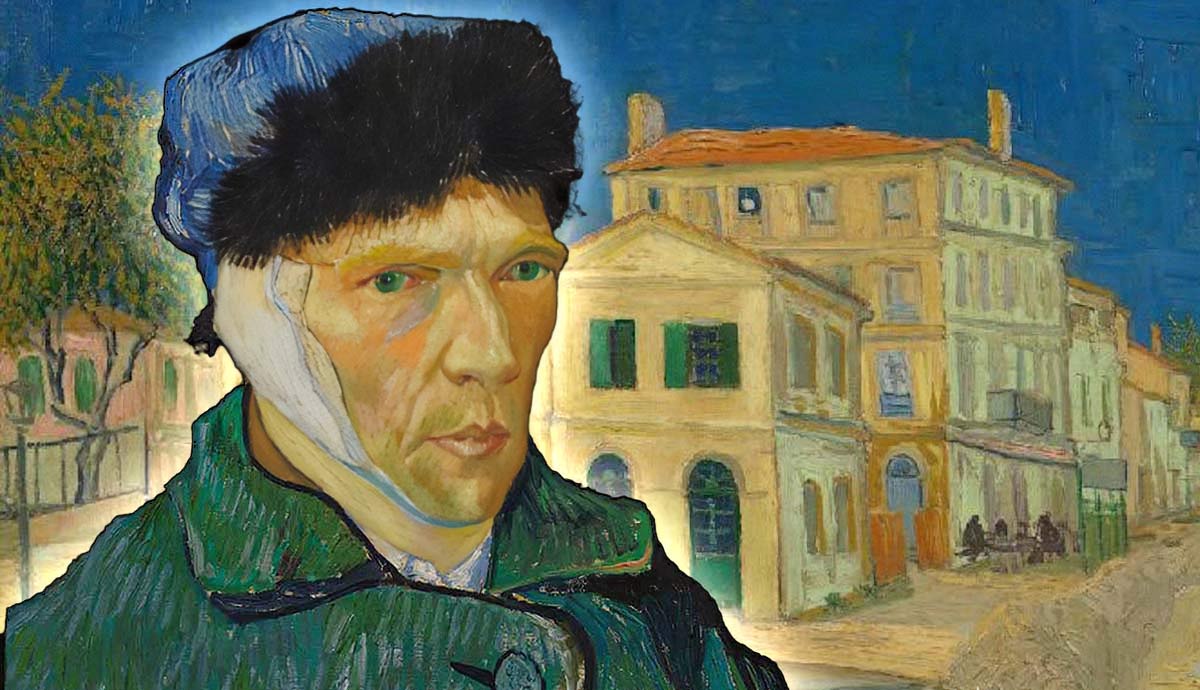
The Yellow House (The Street), Vincent van Gogh, 1888

The Yellow House (The Street) · 1888 · Van Gogh Museum, Amsterdam

01 — The House

Four rooms under a sulfur sun

Tired of Paris, Van Gogh went south in 1888 chasing the light of Provence. In the small city of Arles he found it — and a house the color of fresh butter.

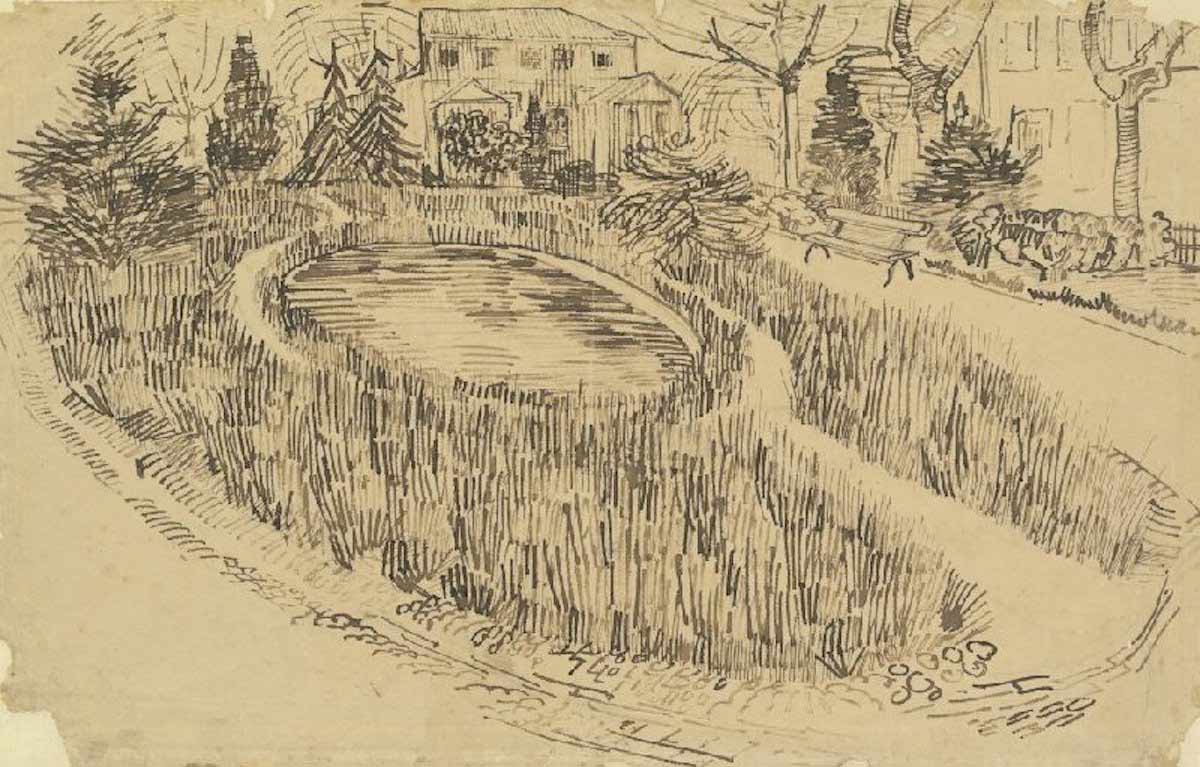
After a boarding house proved too expensive, Vincent rented four rooms on the right side of a two-story house at 2 Place Lamartine — two rooms per floor, for 15 francs a month. A studio and kitchen below; two bedrooms above, looking onto a small public garden with a pond at its center.

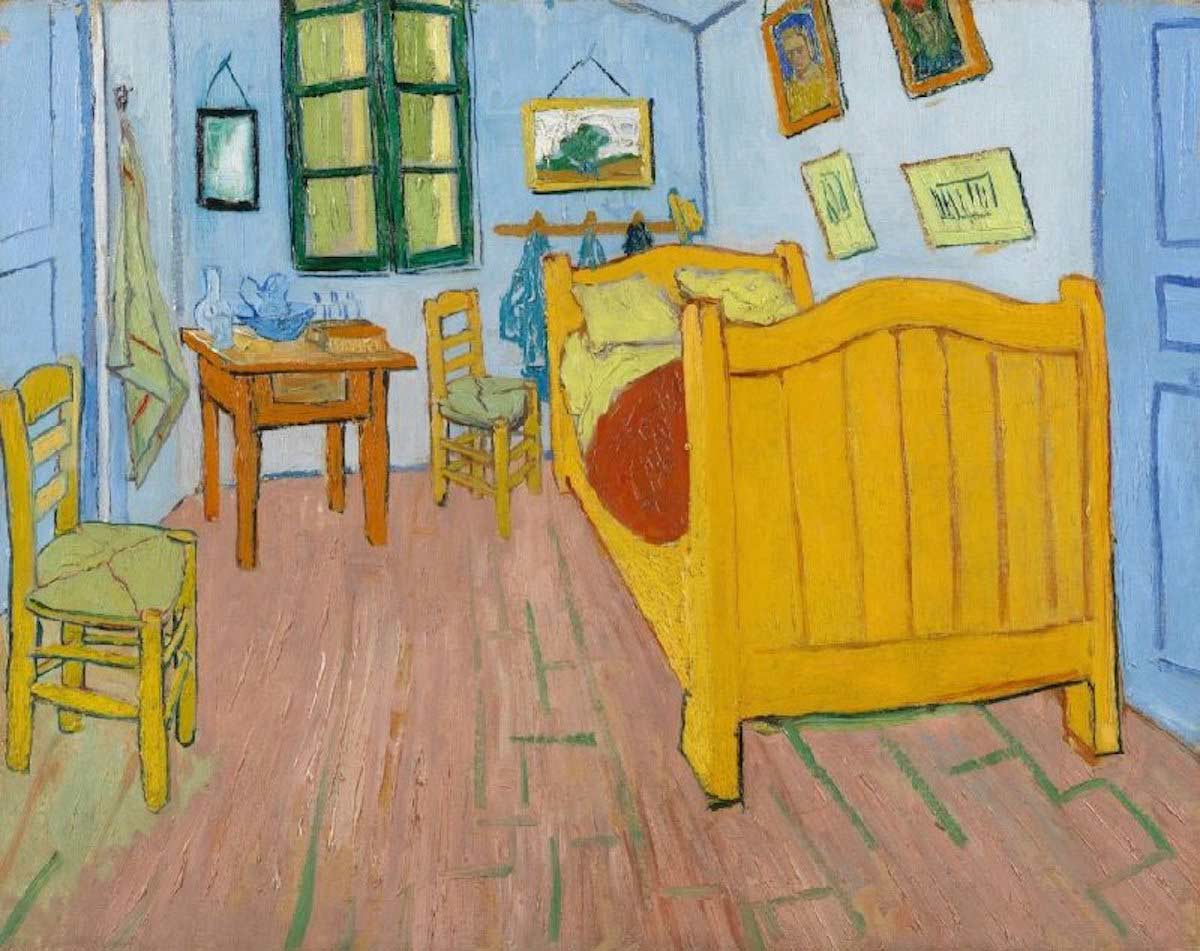
He signed in May 1888 but moved in only that September, once the house had been painted, furnished, and made his own: yellow outside, whitewashed within — bright walls he longed for, to see his canvases in full light.

"I really want to make of it — an artist's house, but not precious… everything from the chair to the painting having character."

— Vincent to Theo, September 1888

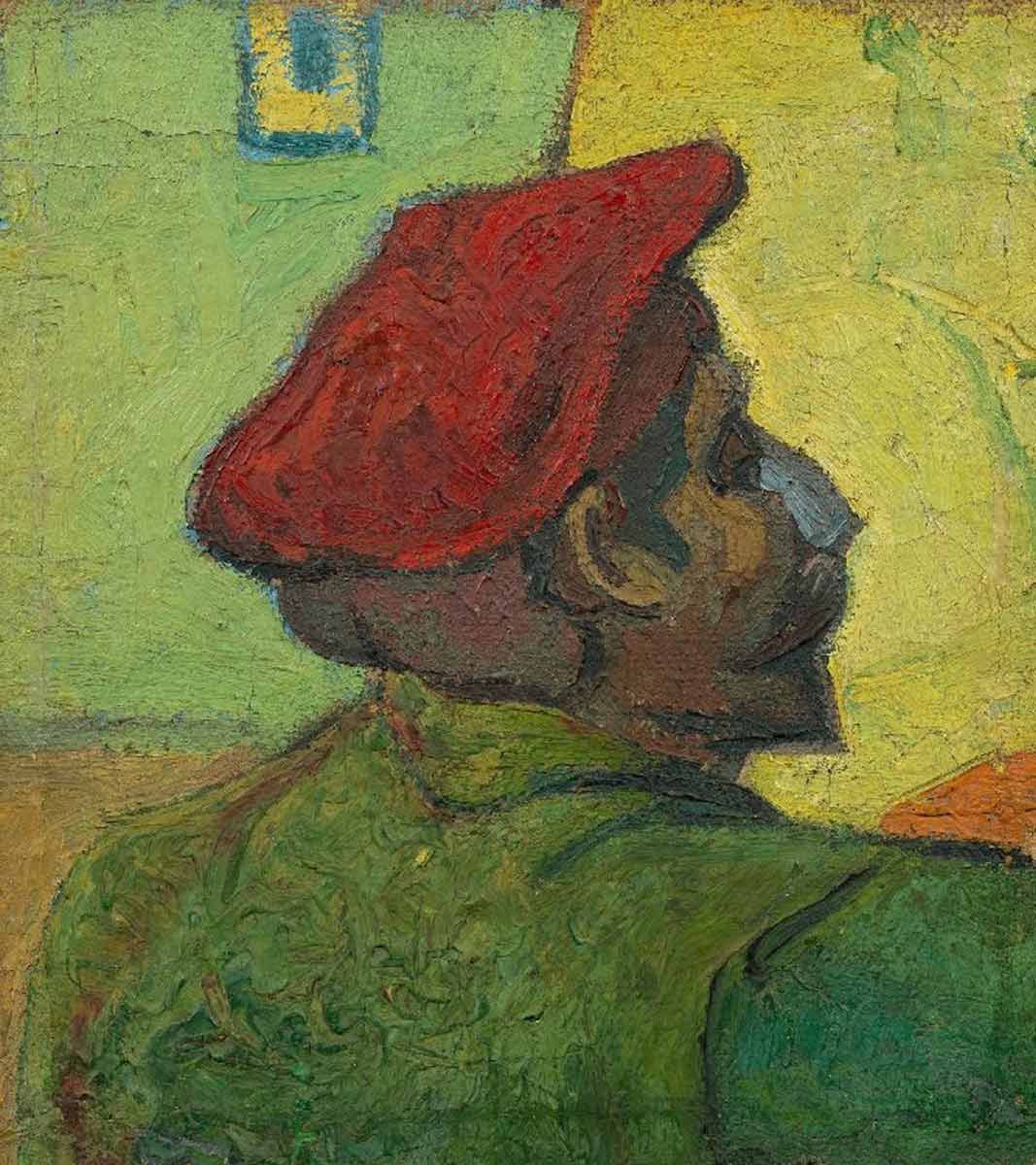
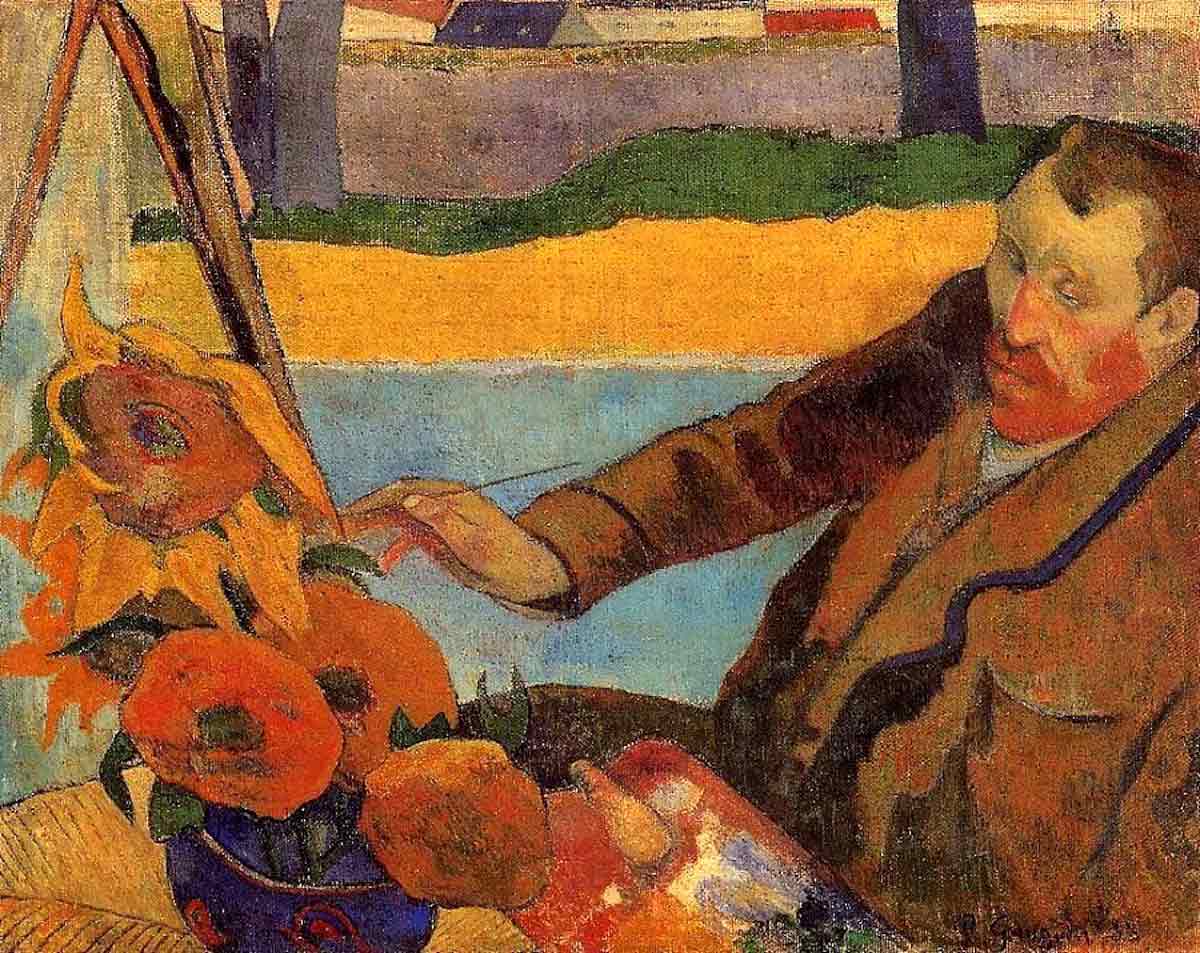
The plan went far beyond a studio. Vincent dreamed of a "Studio of the South" — an artists' association where younger painters could live and work with a sense of community, funded by donated canvases from Impressionists like Monet and Degas. Theo backed the dream, and one artist answered the invitation: Paul Gauguin, who arrived in October 1888.

4 rooms15 francs / monthMoved in Sept 1888
The Park and Pond in Front of the Yellow House, Van Gogh, 1888
The Park and Pond in Front of the Yellow House · 1888 · Van Gogh Museum
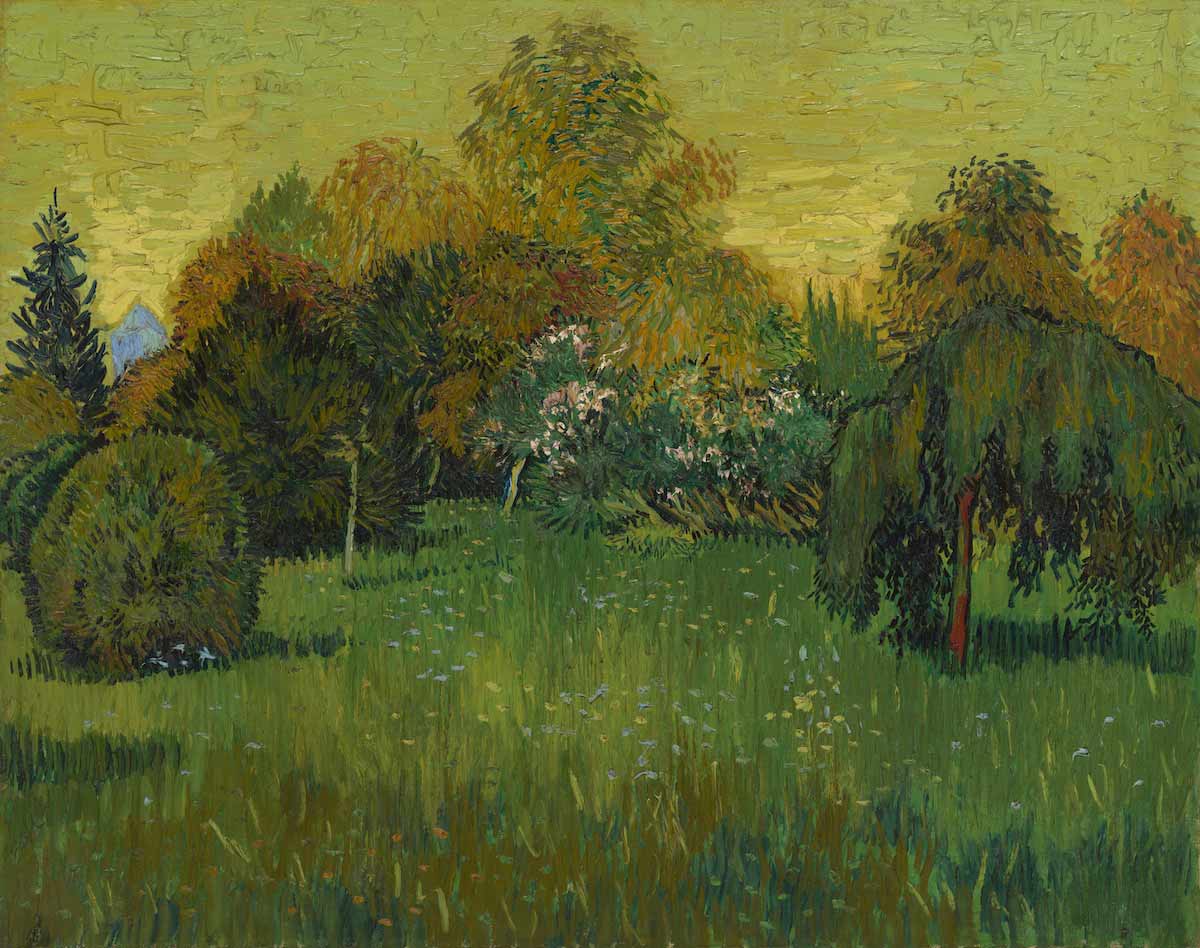
The Public Garden (The Poet's Garden), Van Gogh, 1888
The Public Garden ("The Poet's Garden") · 1888 · Art Institute of Chicago

Powered by Benjamin Stafford

03 — Fifteen Months

From dream to departure

The whole arc of the Yellow House — sanctuary, studio, collapse — fits inside little more than a year.

May 1888

The lease

Vincent rents four rooms at 2 Place Lamartine for 15 francs a month and writes to Theo about his find the same day.

Sept 1888

Moving in

Freshly painted and furnished, the house becomes home. He paints The Yellow House (The Street) and plans his "Studio of the South."

Oct 1888

Gauguin arrives

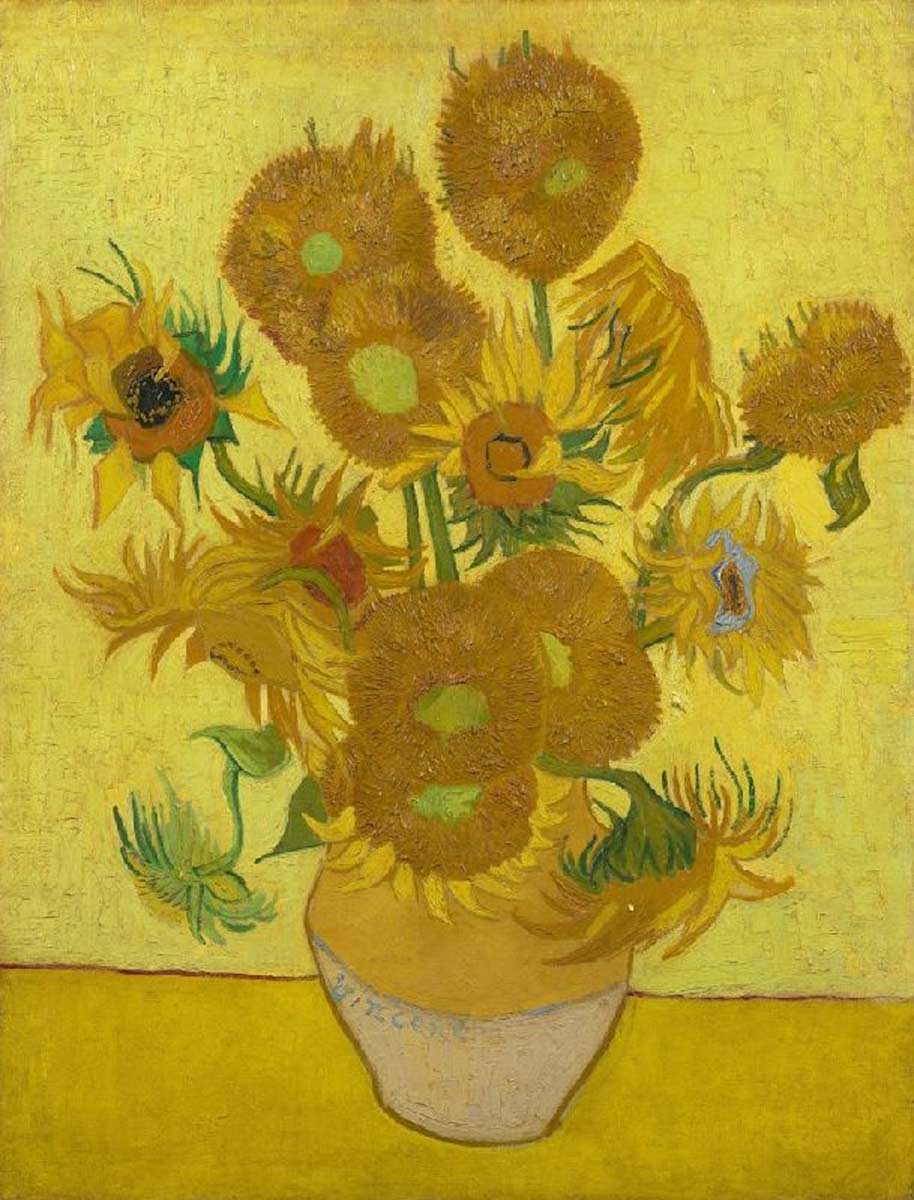
The guest room hung with Sunflowers, the two artists begin a brilliant, combustible cohabitation.

Dec 23, 1888

The breakdown

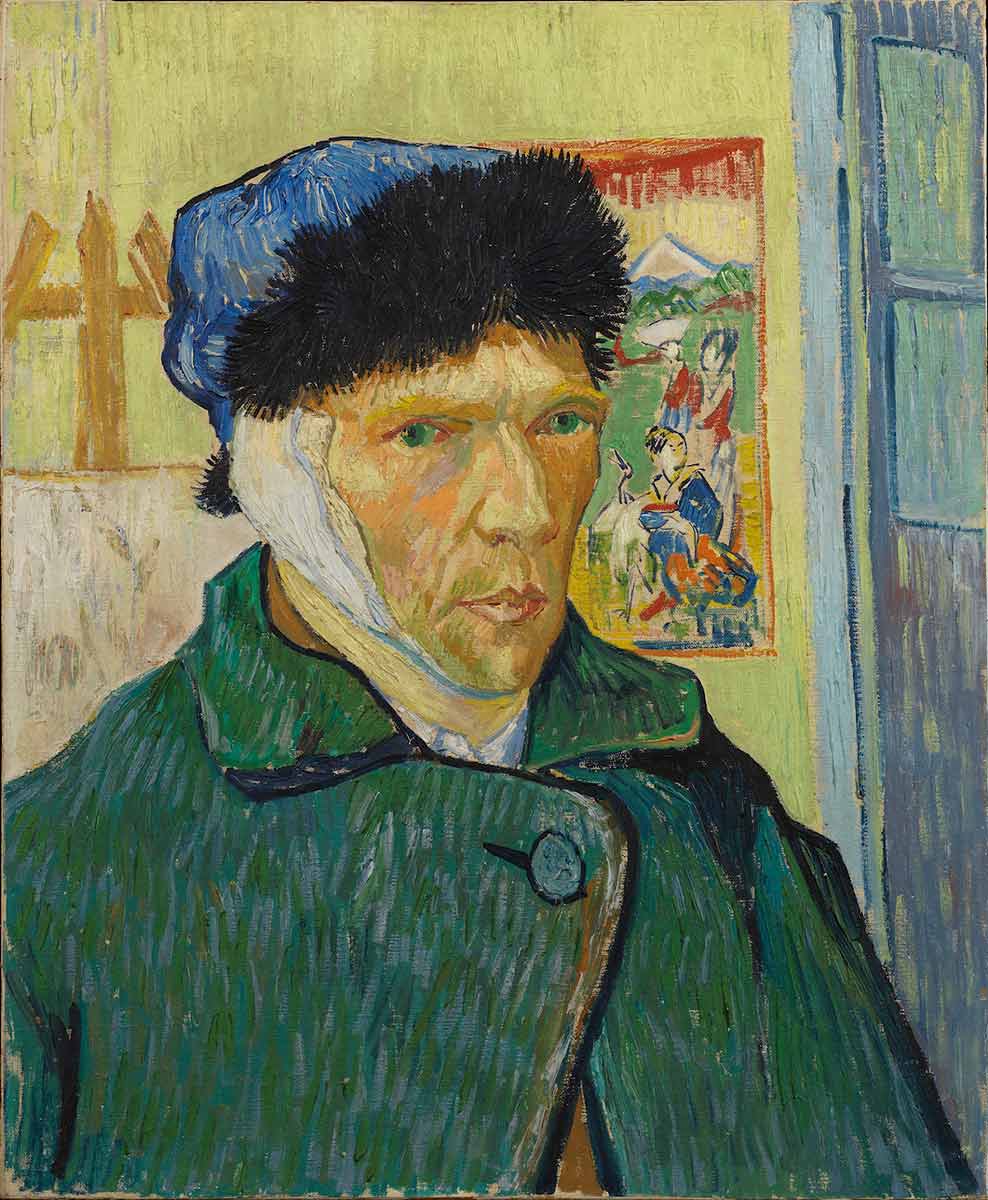
As Gauguin declares he's leaving, Vincent suffers a psychotic episode and severs part of his ear in the house. Gauguin departs days later without visiting him.

May 1889

Leaving Arles

After painting again through January — La Berceuse, the bandaged self-portraits — his health fails. He stores his furniture and enters the asylum at Saint-Rémy. He never returns.

Powered by Benjamin Stafford

04 — Epilogue

What remains

The house is gone; the yellow is not.

Why yellow?

For Vincent, yellow carried sunlight, hope, warmth, and friendship — and Arles supplied it in blinding quantity. The house of "fresh butter" yellow under a cobalt sky became the emblem of everything he wanted his life there to be.

The ear, precisely

Evidence indicates he severed the lower part of his left ear with a razor during the crisis of December 23rd — then wrapped it in paper and delivered it to a woman at a nearby brothel before being hospitalized the next morning.

Can you visit?

You can stand at Place Lamartine in Arles, but not enter the house: it was wrecked by an Allied bombing raid in 1944 and later demolished. An informational panel now marks the spot where it stood.

Powered by Benjamin Stafford

"Inside, I can live and breathe, and think and paint."

— Vincent van Gogh, to Willemien, 1888

Powered by Benjamin Stafford