PROVENANCE
What is provenance — and why does it decide what a work of art is worth? The documented chain of ownership is an artwork's biography: it can prove a masterpiece, expose a forgery, return the stolen, and move millions at auction.
EVIDENCE ENCLOSED: 1 LOST DEGAS · 1 IMPERIAL DISPUTE · 2 INVENTED COLLECTIONS · 5 DATABASES
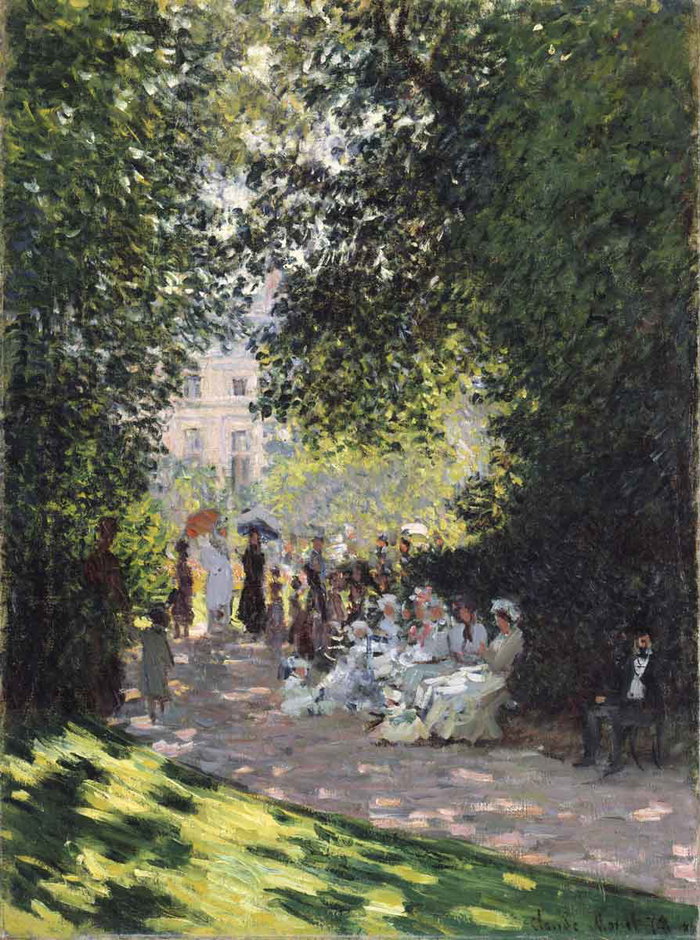
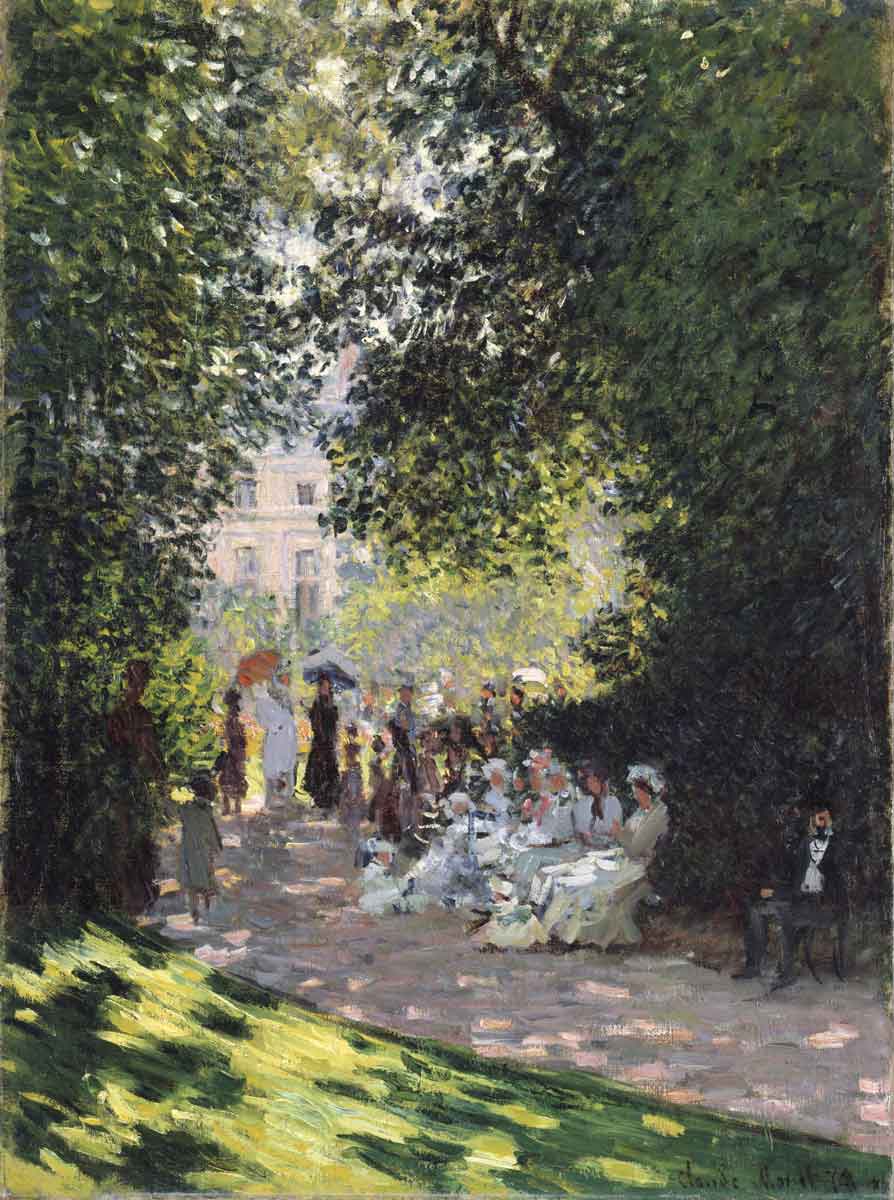
BEHIND: MONET, THE PARC MONCEAU · 1878
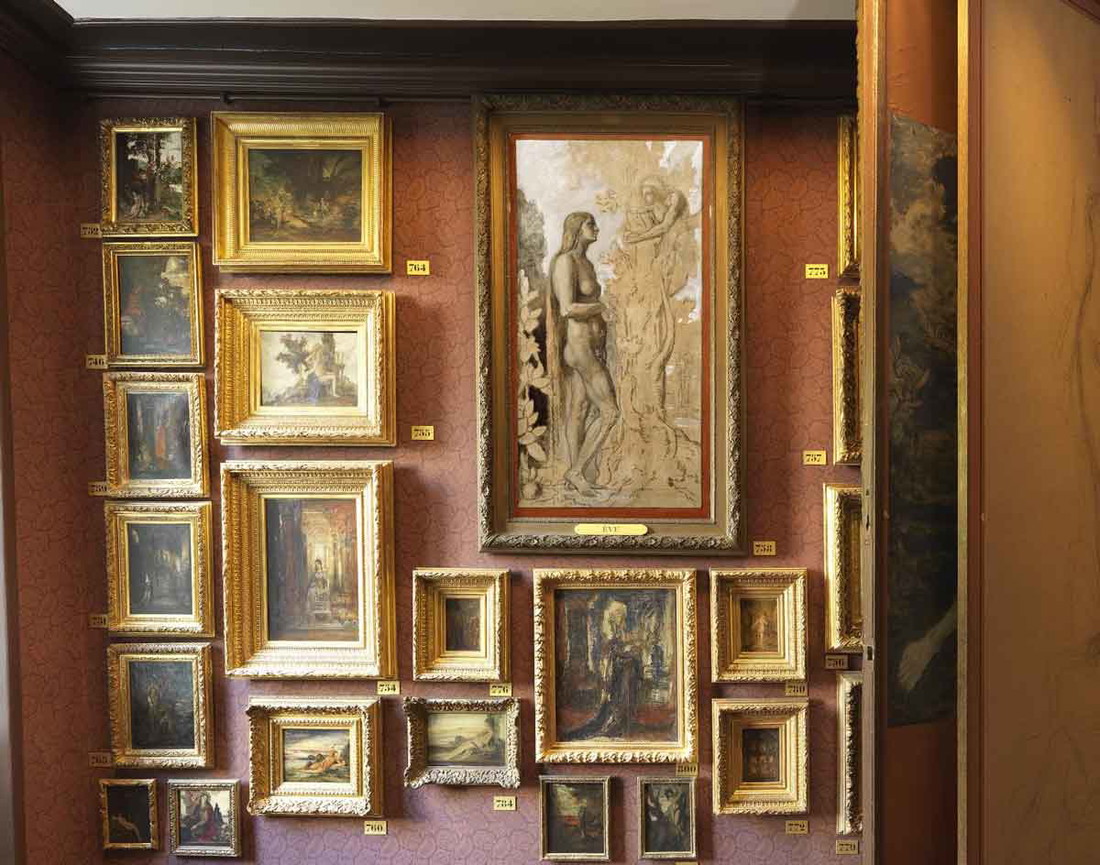
An artwork's biography
The Concise Oxford Dictionary of Art Terms defines provenance as the listing of a work's previous ownership — an essential part of its history. Who has held it, sold it, exhibited it, restored it, and when.
The painting itself never changes. Its history is what's on trial: was it truly painted by the claimed hand? Is it a period copy? A modern forgery? Did it change owners honestly — or in the dark?
STATUS: EVERYTHING BELOW IN QUESTION
The fake that was real
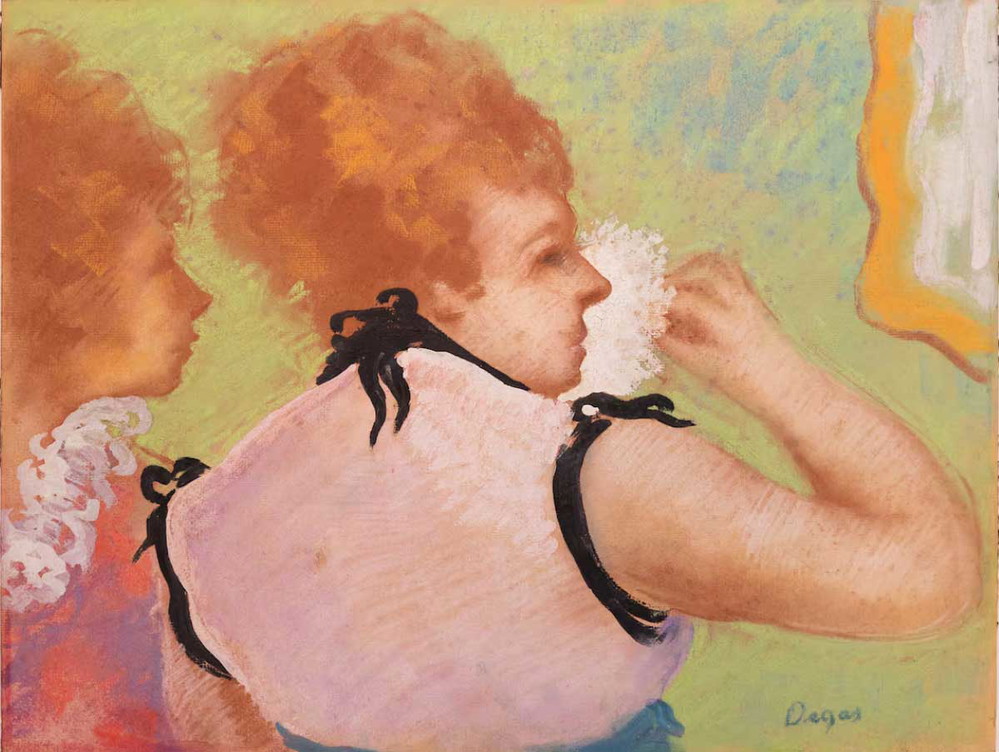
A seller consigned the pastel Éloge du Maquillage convinced it was an imitation. Only after the hammer fell was it confirmed as a genuine, long-lost Degas — worth millions.
The clue was sitting in the paperwork all along: the work had been acquired in 1940 by Joan Llonch Salas, a devoted local collector — exactly the kind of owner whose walls held originals, not copies. Reading the chain would have changed everything.
- 1876The artist's studio, Paris
- 1940Acquired by Joan Llonch Salas — the overlooked line
- ····By descent within the family
- NOWSold at auction; authenticated as genuine

One painting.
A ten-million-fold swing.
No object on Earth shows what provenance does to price like the Salvator Mundi. The same panel of walnut has been worth pocket change and worth more than any artwork in history — and what changed was not the paint. It was the file.
- 1763Vanishes from the record entirely — a 137-year silence
- 1900Bought for Doughty House as a work of Bernardino Luini, face overpainted
- 1958Sold at auction for £45 — catalogued as a mere copy
- 2011Restored; exhibited at the National Gallery, London, as Leonardo
- 2017Christie's: $450,300,000 — the world record, attribution still debated
The artistic object never moved a brushstroke. Its documented story moved half a billion dollars.
Legal. Contested.
Provenance also decides whether an object can stay where it is. As museums audit their collections, claims from former colonies and displaced communities are multiplying — for works stolen, sold under pressure, or removed in wartime.
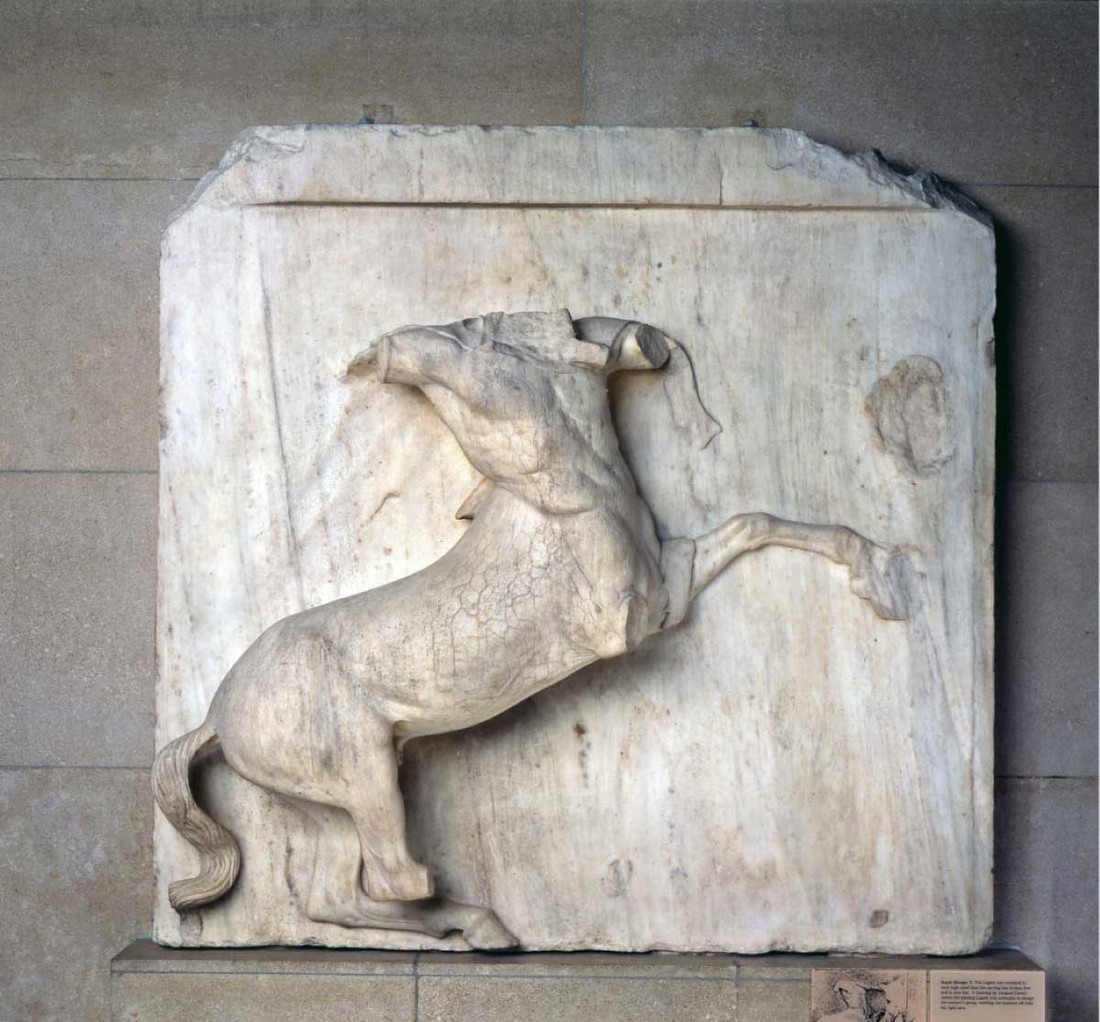
The Parthenon marbles are the defining case: Lord Elgin removed them with Ottoman permission, and the British Museum's purchase was entirely legal. The paperwork is clean — and the moral argument rages anyway. Provenance answers what happened; it cannot by itself answer what is right.
TITLE: DISPUTEDWhen the chain shows a break
A gap in the record can hide a theft — and when proof surfaces, even the greatest museums hand works back. Boston's Museum of Fine Arts returned an Egyptian coffin; the Metropolitan returned Khmer sculptures to Cambodia after their looted past came to light.
For a buyer, the same logic applies in miniature: an undocumented decade in a work's history is not a blank — it is a question that someone, someday, may answer against you.
RETURNED · 10TH C. BRONZE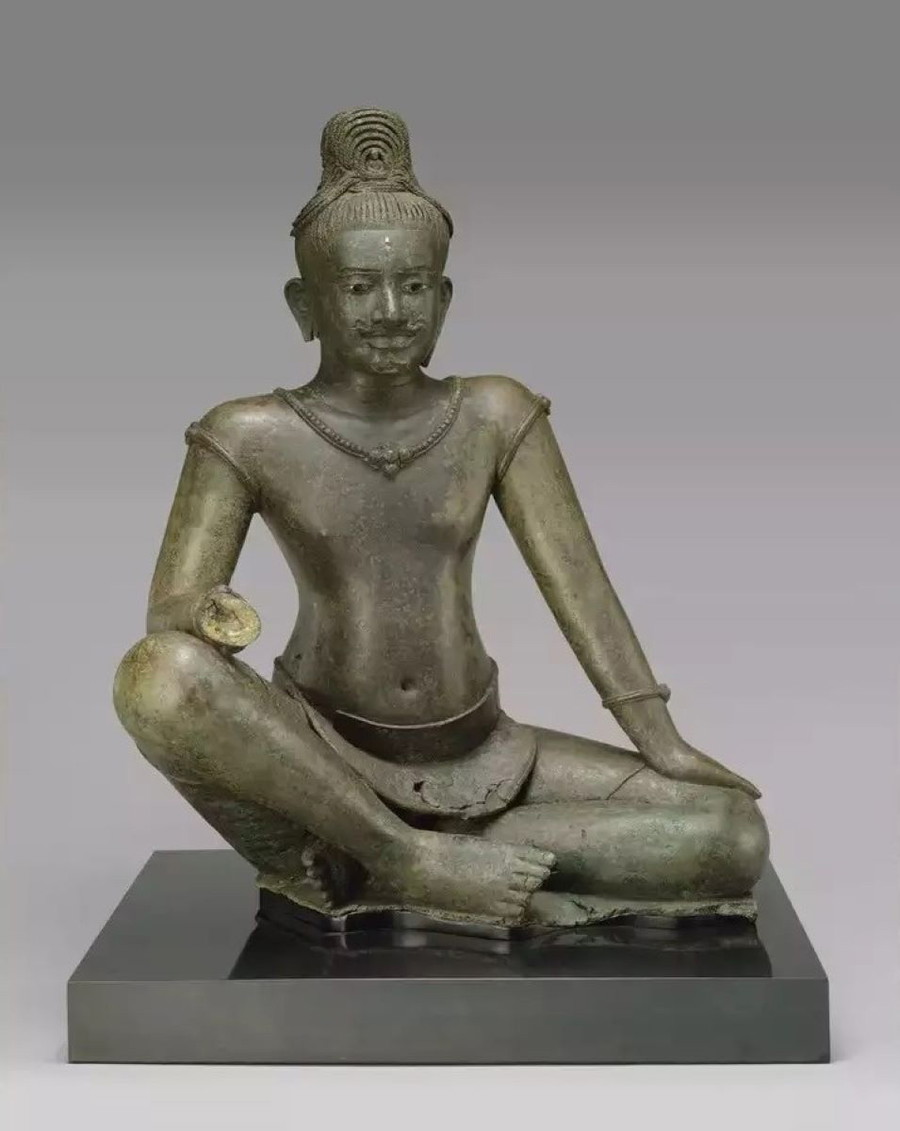
The file is never closed
The Klimt that surfaced — and stalled. In 2024, Klimt's Portrait of Fräulein Lieser, known for a century only from one 1925 black-and-white photograph, reappeared in Vienna and sold for €30 million — an Austrian record, offered under the Washington Principles on Nazi-confiscated art.
Then the gap spoke: its whereabouts between 1925 and 1961 — the years spanning the Anschluss — could not be resolved. When the restitution settlement with the Lieser heirs collapsed, the buyer walked away in April 2025. A $37 million sale, undone by thirty-six missing years.
FAMILY CLAIM FILED 2005 · NINTH CIRCUIT, JAN 9 2024:
THE MADRID MUSEUM KEEPS THE PAINTING — NEARLY
TWO DECADES IN COURT, DECIDED UNDER SPANISH LAW

What a complete
dossier holds
Few works made before the 20th century arrive with every paper intact. But the ideal file — the one that moves prices upward — contains five things:
- Artist information
A clear signature, the name, a biography that fits the object.
- Ownership history
Every collector, gallery, museum, and institution in sequence.
- Sales records
Invoices, auction records, dates, and prices actually paid.
- Exhibitions & publications
Catalogues and brochures — ideally with a photograph of the work.
- Conservation records
Documentation of every restoration the object has survived.
Same painting.
Different price.
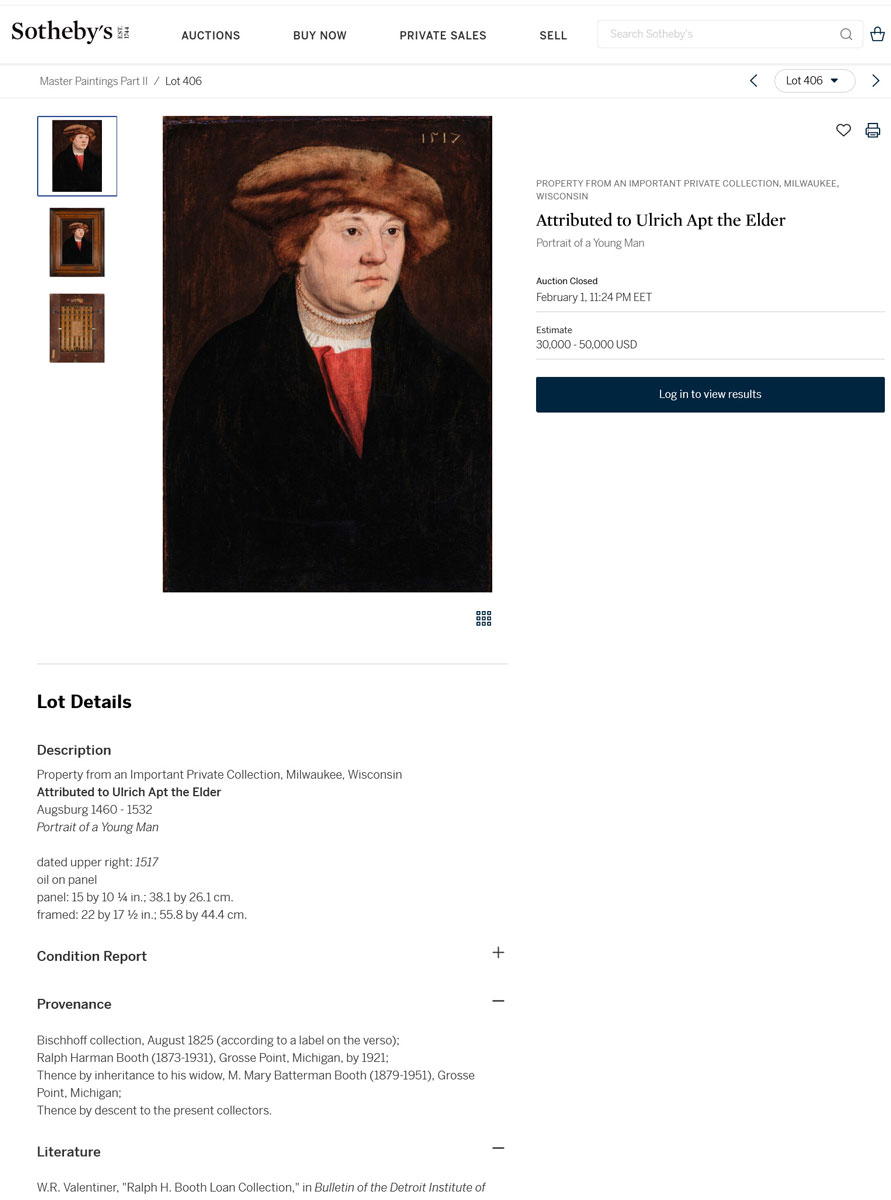
Provenance never changes what a work looks like — and can still move its market value dramatically in either direction. A documented chain lifts an auction estimate; a gap invites doubt, lawsuits, and claims.
It decides more than money: whether a museum will accept a donation, whether a work can travel to an exhibition, whether title can be defended at all. Theft, forgery, misattribution, illegal transfer — every risk in the art market leaves its trace in the file, or in the file's silence.
FILE COMPLETE · TITLE CLEAR