A presentation in ten leaves
They signed their novels with a man's name to be read at all. Here are their faces, their real names, and the work that outlived the disguise.
"Anon … was often a woman."— Virginia Woolf, A Room of One's Own
SandEliotBrontësSheldonNortonPaget
Exhibit A — Motive
Not one reason but three, recurring across two centuries of publishing.
Work signed by a woman was routinely dismissed as trivial "lady's fiction." A man's name meant being judged on the page alone.
A pen name kept a wall between public authorship and private life — scandal, politics, and unconventional loves stayed off the title page.
Realism and science fiction were read as men's territory. Entering as a woman often meant not being let in at all.
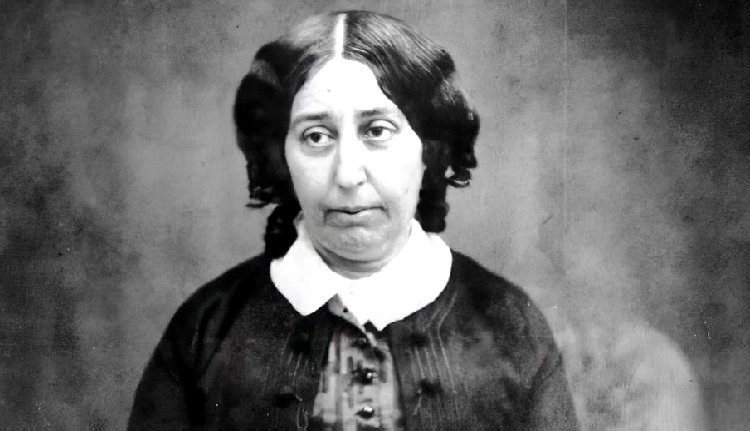
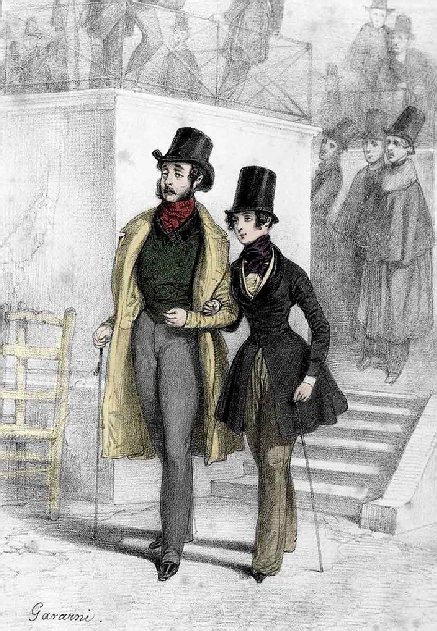
Leaf I — Paris, 1831
"the heart of a man and the mind of an angel"— Victor Hugo, at her funeral


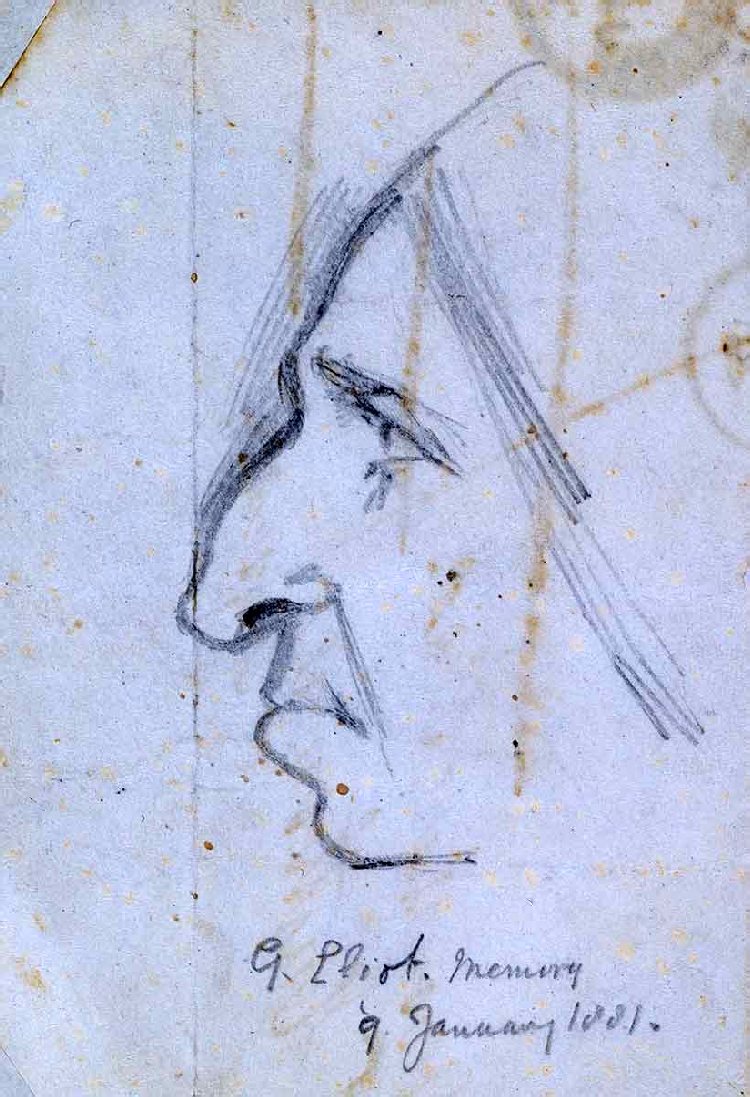
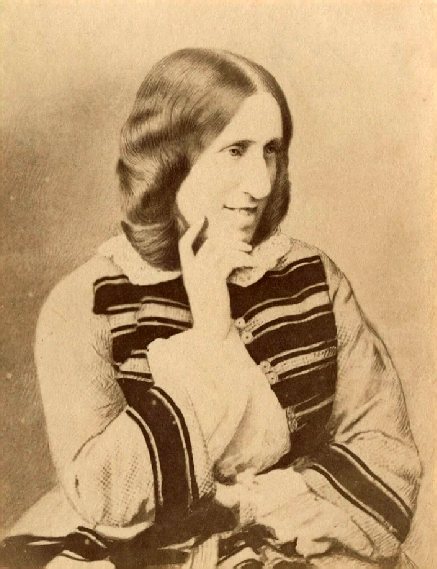
Leaf II — Warwickshire, 1819


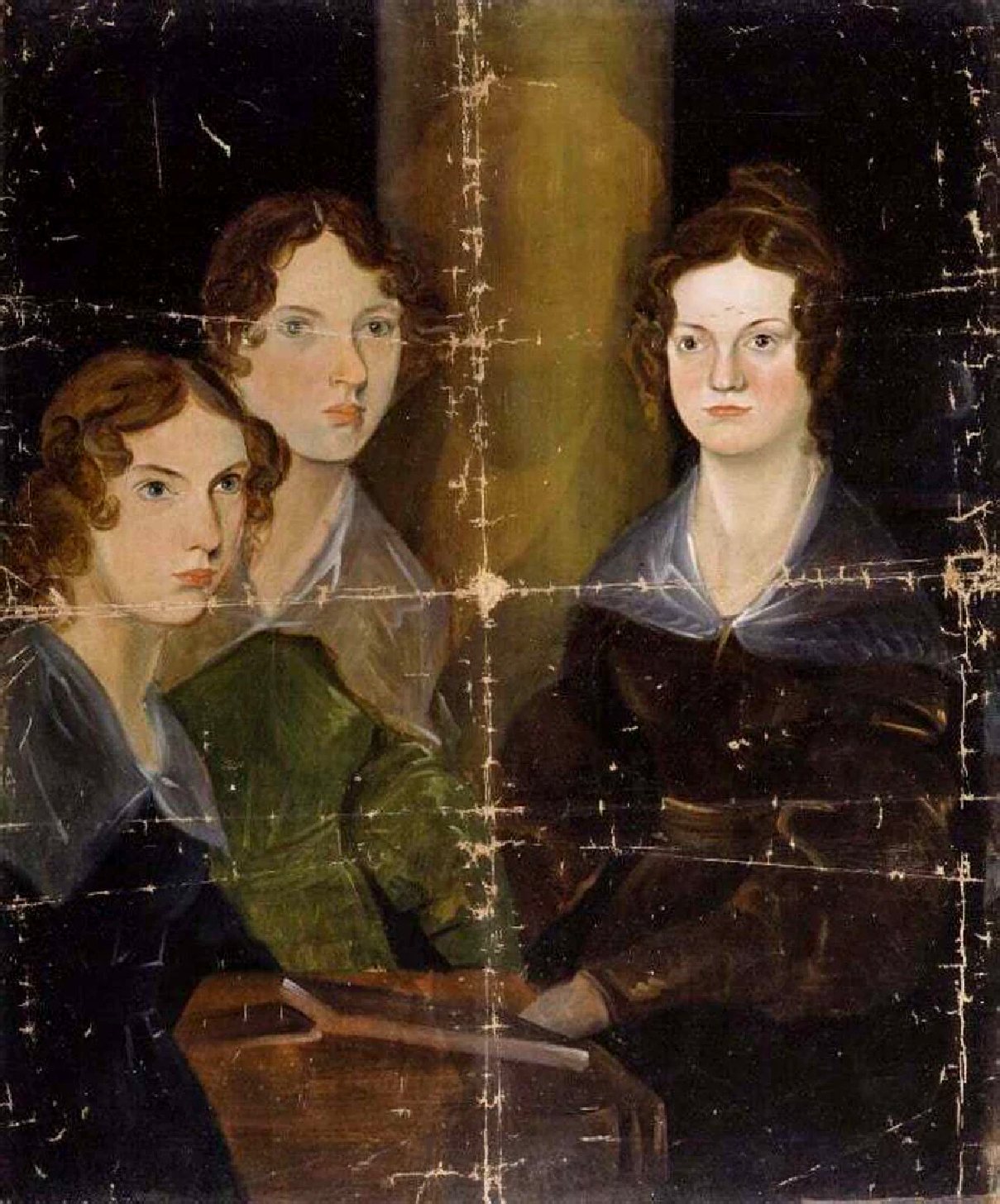
Leaves III · IV · V — Haworth Parsonage

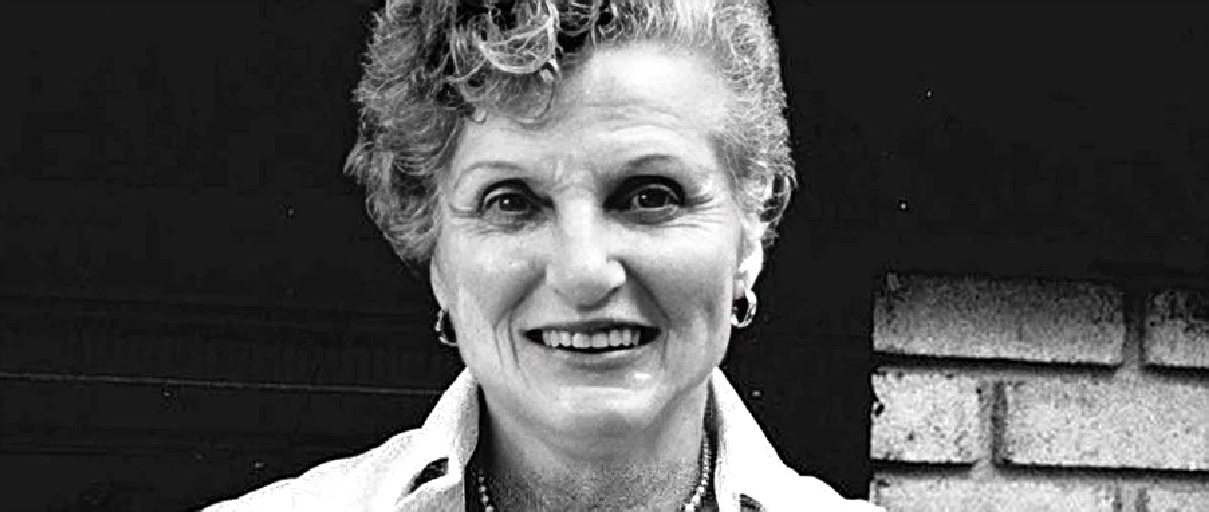
Leaf VI — Science fiction, 1967
"ineluctably masculine"— Critic Robert Silverberg, on her writing

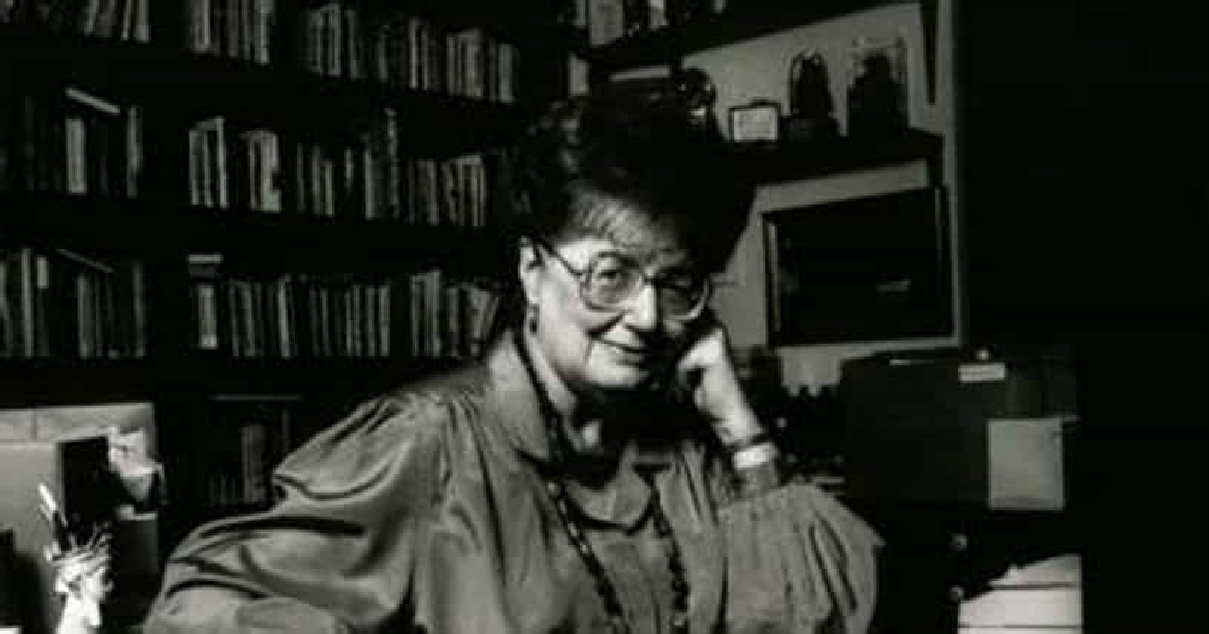
Leaf VII — Cleveland, 1912

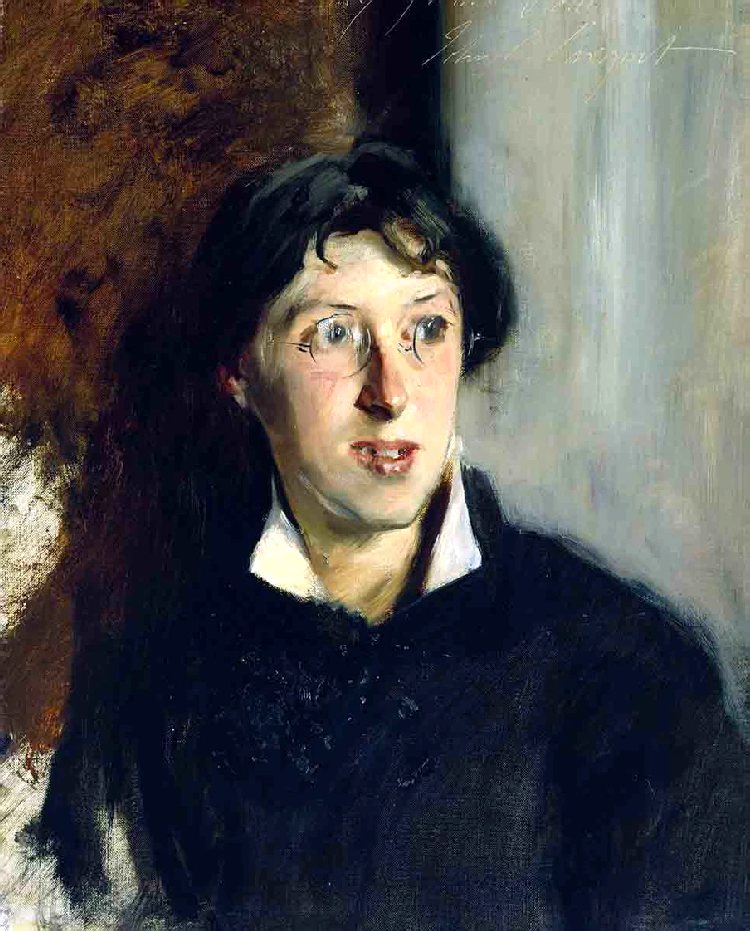
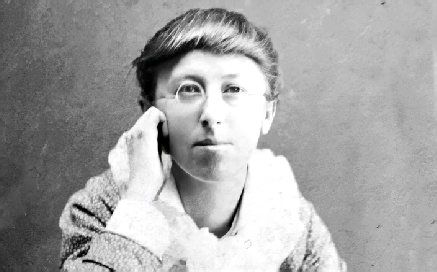
Leaf VIII — Florence


Exhibit B — Verdict
Every disguise on these leaves was eventually lifted — and the work outlived the prejudice that made the disguise necessary.
The same pages praised as masculine genius were written by women. The reception changed; the prose never did.
Eliot, the Brontës, Sand — taught today under the names they were born with, beside the men they once outsold.
Initials and neutral bylines still appear on covers today. The calculation these eight women made has not fully retired.
Eight women. Eight masks. One verdict. Sand · Eliot · the three Bells · Sheldon · Norton · Paget.
Adapted from 8 Famous Women Writers Who Wrote Under Male Pseudonyms by Catherine Dent, MA — TheCollector
Portraits via the source article · public-domain works and archive photographs